

Blog
Pam Bondi Cares More About Leverage Than Law Enforcement
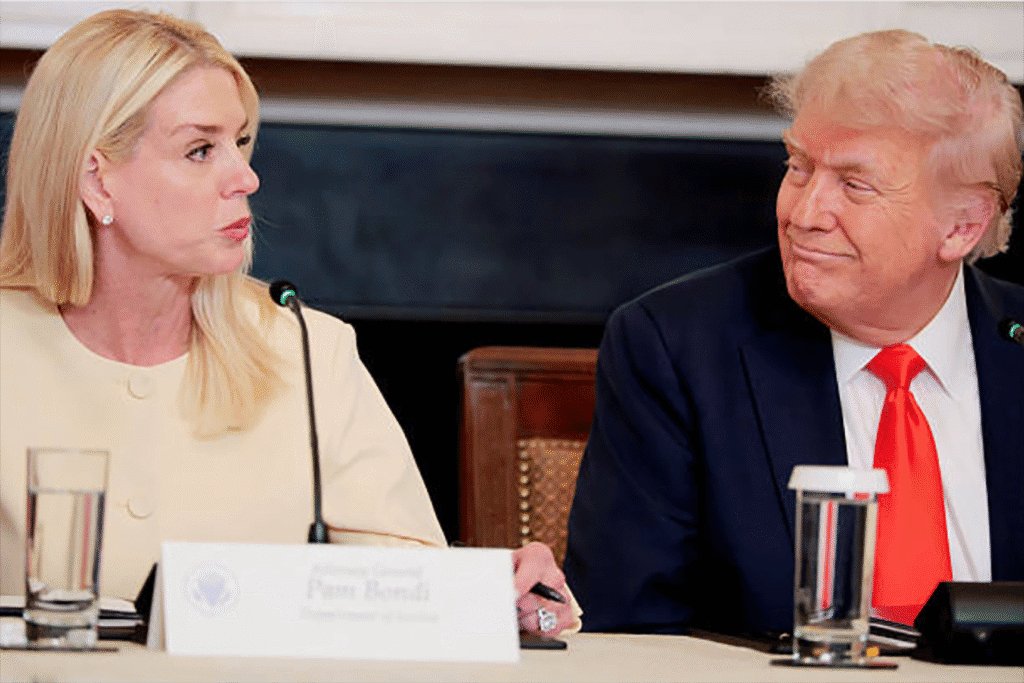
This week, U.S. Attorney General Pam Bondi sent a letter to Minnesota’s governor demanding the following from Minnesota:
- Provide Department of Justice access to its voter registration rolls (including sensitive details in the state’s database)
- Share public benefit data like Medicaid and SNAP information
- Repeal “sanctuary” policies around immigration enforcement
Bondi tied these (blatantly authoritarian) demands to federal immigration operations in Minneapolis and said complying could “restore the rule of law.” In other words, Bondi and the Department of Justice are holding Minnesota hostage, and asking for sensitive voter data as ransom.
The Erosion of Electoral Ethics
What makes this so dangerous isn’t just that she asked for voter data (which is still independently disconcerting), but how and why she did it. Many critics have been vocal in calling these demands a federal power grab, coercion, and far outside the norms of the Department of Justice. Minnesota election officials and legal experts have noted that the request goes well beyond what federal law allows and is likely to undermine long-standing independent electoral traditions.
Other common criticisms suggest that this kind of mass data demand could harm public confidence in how elections are run, and could lead to unprecedented efforts to suppress voters. The demand itself is indicative of a major shift in how the federal executive branch exerts power over states’ election systems, and whether that power can be exercised in ways that are political rather than strictly procedural.
Electoral Integrity, Voter Privacy, and You
When we talk about “voter rolls” or “election data,” we’re talking about information that is deeply tied to people’s ability to participate in democracy with confidence. This is information that can identify and categorize voters, their political alignment, and their engagement history.
Election Integrity
Generally, election integrity means people can trust that:
- the list of who is eligible to vote is accurate
- the process of casting a ballot is secure
- and the results reflect the real choices of voters
Without that trust, people don’t feel safe participating, which shrinks turnout, especially among groups that already face barriers to voting. For groups that are already experiencing systematic voter suppression (especially within the New American Electorate), this can compound the barriers to participation that already prevent voices from being heard. That’s why election officials nationwide work hard to keep accurate rolls and secure systems.
When an outside actor tries to gain sweeping access to sensitive election infrastructure without a clear, narrow legal basis tied to a specific investigation, it creates a very real sense of fear and uncertainty about their motives.
Voter Privacy
Voter registration files usually include:
- Names, dates of birth, and addresses
- Driver’s license numbers or partial Social Security numbers
- Other identifiable data
Most states have public versions of voter rolls that strip out the most sensitive parts, much of which is already used for voter outreach (though its accuracy varies heavily from cycle to cycle), and confidential versions only used by officials for legitimate, tightly controlled purposes.
Protecting that data ensures voters can engage in civic life without fear of intimidation, identity theft, or data misuse. Strong privacy supports:
- The right to vote without recoil
- Safeguards against coercion or targeting based on personal info
- Public confidence in democracy as a system that protects people, not exploits them
When federal authorities pursue broad access to voter data without consent from states or clear legal grounds, it weakens privacy protection and sends a signal that election data can be used as leverage. If you care about fair, inclusive, and equitable elections like we do, this should set off every alarm bell you have.
Why would a body of law enforcement require access to sensitive voter information? Further, why is the safety of a state contingent on their compliance with this wildly inappropriate request?
Political Technology as a Defense Against Interference
Organizations like Civitech play a unique and important role in strengthening democracy, even as trust in these institutions is eroding at record pace.
Engaging Voters and Expanding the Electorate
There are millions of eligible but unregistered likely-Democratic voters. These are people who move frequently, young people who age into eligibility, and communities that haven’t been reached by traditional outreach. Folks like Civitech help campaigns and nonprofits close that gap by identifying unregistered voters and helping them register and participate.
By addressing unregistered voters, we can preemptively account for voter deficits created by voter suppression efforts spawned from forfeited voter rolls. After all, expanding the total electorate is a core democratic value, and any hesitance to do so is absurdly undemocratic.
We’ve said it a thousand times, but Democracy is at its healthiest when as many voices as possible have the opportunity to be heard.
Tools for Strategic, Informed Engagement
The voter and engagement tools Civitech provides help campaigns and community groups:
- identify where outreach is most needed,
- plan and execute voter registration campaigns
- engage voters throughout the election process
By bringing data into the hands of grassroots organizers and civic leaders, we hope to help progressive candidates and causes account for existing voter deficits and mobilize historically underrepresented voting blocs.
Supporting Accountability and Transparency
Reliable voter data and smart technology also strengthen accountability. By giving campaigns and nonprofits insight into who’s registered and where gaps exist, we can also identify communities that are vulnerable to Trump administration suppression efforts. Ideally, we will be able to find those voters before they experience barriers set up by the administration. That engagement supports a more informed, competitive, and resilient democratic ecosystem where voters participate not because of fear or coercion, but through conviction and dedication.
To support action against voter suppression and civil rights abuses, fight the good fight with the ACLU and Democracy Docket.
TL;DR:
- Pam Bondi’s actions in Minnesota and similar demands elsewhere raise serious, immediately actionable questions about federal overreach into election systems and data, which we view as harmful to democratic norms.
- Voter privacy and election integrity are not abstract concepts, they are the foundation for trustworthy, representative democracy, and weakening them risks chilling public participation.
- Organizations like Civitech strengthen democracy by expanding civic participation, equipping organizers with tools to engage voters effectively, and helping build a more inclusive electorate where people feel their voices truly matter.
Concerned about your area and want to start engaging your community? Explore our solutions to identify unregistered voters, get them registered to vote, and engage them with GOTV efforts.